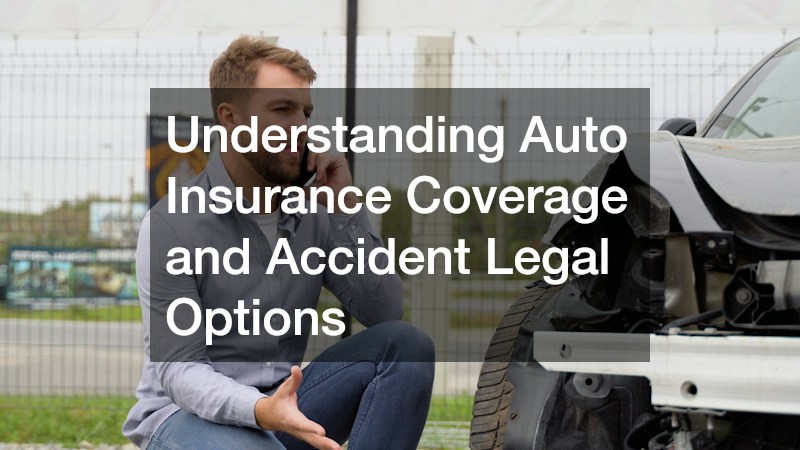

Owning a vehicle involves responsibilities beyond safe driving and routine maintenance. Unexpected accidents and severe weather can create financial challenges for drivers and their families. Understanding insurance coverage and legal options helps protect finances and supports informed decisions. Knowing policy limits, deductibles, exclusions, and claim requirements can make a difference when seeking compensation or arranging repairs. Professional assistance can also help individuals navigate complicated situations. This article explores insurance policies, accident documentation, vehicle repairs, injury claims, and legal responsibilities to help drivers prepare for unexpected circumstances.
Review Your Auto Insurance Policy Before an Accident
Understanding an insurance policy before an accident occurs can help drivers avoid confusion when they need financial assistance. Different types of coverage protect against different circumstances, making it important to understand what a policy includes and where limitations exist.
Liability coverage generally pays for injuries or property damage caused to others when the insured driver is responsible. Collision coverage helps pay for damage to the policyholder’s vehicle following an accident, regardless of who caused it, subject to policy terms. Comprehensive coverage addresses certain non-collision incidents, such as theft, vandalism, falling objects, and severe weather damage.
Drivers should pay particular attention to deductibles, coverage limits, and exclusions. These details determine how much an insurer may contribute toward eligible expenses and how much the policyholder must pay.
When reviewing coverage, consider these steps:
- Compare liability limits with your financial protection needs.
- Determine whether collision and comprehensive coverage are appropriate for your vehicle.
- Review uninsured and underinsured motorist protection.
- Understand deductible amounts and how they affect out-of-pocket expenses.
- Check whether rental vehicle reimbursement is included.
- Review policy exclusions and reporting deadlines.
Working with auto insurance agencies can help drivers compare available policies and understand different protection options. An insurance agency can also explain coverage requirements, identify potential gaps, and recommend adjustments based on changing circumstances.
Reviewing coverage annually is particularly helpful after purchasing a vehicle, moving, adding another driver, or experiencing significant financial changes.
Understand Your Legal Responsibilities After a Collision
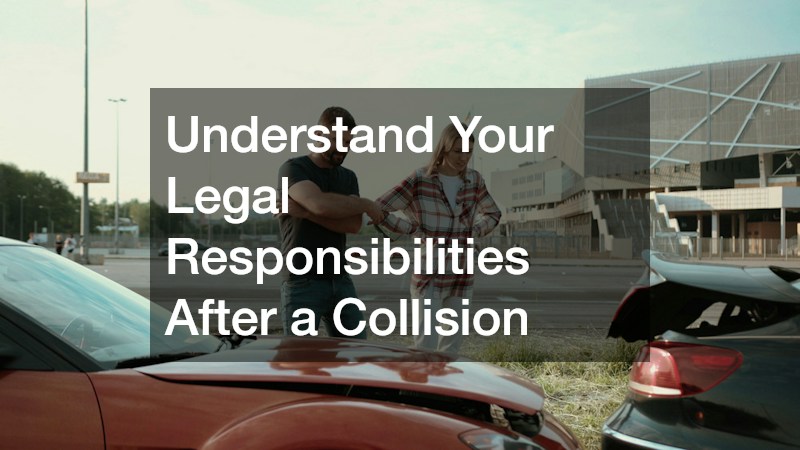
Knowing what to do immediately following an accident can protect personal safety and prevent unnecessary complications. Although every situation is different, drivers should prioritize safety, follow applicable reporting requirements, and avoid making assumptions about responsibility.
An official police report can also become valuable evidence when insurance companies investigate a claim. Depending on the circumstances and state requirements, reporting an accident may be mandatory.
Important actions include:
- Contact law enforcement when required or when injuries, significant damage, or disputes occur.
- Exchange accurate contact and insurance information.
- Avoid admitting fault or speculating about what happened.
- Obtain contact information from witnesses.
- Photograph the accident scene when it is safe.
- Notify the insurance company promptly.
An automobile accident attorney may help individuals understand their legal responsibilities when an accident involves disputed liability, serious injuries, or complicated insurance issues.
Drivers should also remember that legal obligations vary by state. Understanding local reporting requirements and avoiding unnecessary statements can help protect their interests throughout the claims process.
Gather Evidence to Strengthen Your Insurance Claim
Documentation plays an important role in determining how an insurance claim is evaluated. Clear, organized evidence helps establish what happened, identify potential responsibility, and demonstrate the extent of vehicle damage or personal injuries.
Whenever possible, drivers should photograph the accident scene before vehicles are moved. Pictures should show vehicle positions, visible damage, road conditions, traffic signs, intersections, and other relevant details. These images may help investigators understand the circumstances surrounding the incident.
When documenting vehicle accidents, consider keeping the following information:
- Photographs of all visible vehicle damage.
- Names and contact information of witnesses.
- Copies of police or incident reports.
- Insurance details from all involved drivers.
- Medical records and treatment documentation.
- Repair estimates, invoices, and receipts.
- Records of conversations with insurance representatives.
Medical documentation deserves particular attention. Even injuries that initially seem minor may require additional evaluation or treatment. Keeping records of appointments, prescriptions, and medical recommendations helps establish the extent of an injury.
Drivers should organize everything in one secure location, whether digitally or in a physical folder. Maintaining a detailed timeline of communications, appointments, and claim updates can also prevent important information from being overlooked.
The more complete the documentation, the easier it may be to address questions and resolve disagreements during the claims process.
Compare Coverage Options and Choose Reliable Providers

Choosing an insurance provider involves more than finding the lowest monthly premium. While affordability matters, drivers should also consider customer service, financial stability, available coverage options, and the company’s reputation for handling claims.
Drivers should request multiple quotes and make sure they are comparing similar coverage levels. Reviewing exclusions and optional protections can help identify differences that are not immediately obvious.
Local insurance agencies may offer personalized assistance by helping customers evaluate available policies and understand coverage considerations in their communities. Having access to someone who can explain policy language may make it easier to select appropriate protection.
Before choosing a provider, consider these factors:
- Claims processing procedures and average response expectations.
- Available liability, collision, and comprehensive coverage.
- Customer service accessibility.
- Financial strength and reputation.
- Deductible options and premium differences.
- Discounts for safe driving, multiple vehicles, or bundled policies.
Drivers should also ask how claims are handled and whether the company offers support throughout the repair process.
Reading customer reviews can provide additional insight, although individual experiences may vary. Ultimately, the goal is to find a policy that balances reasonable costs with dependable financial protection.
Determine Whether Weather Damage Is Covered
Severe weather can cause substantial vehicle damage, sometimes when drivers are nowhere near their cars. Hailstorms, falling branches, flooding, and strong winds can create repair expenses that may be difficult to manage without appropriate insurance protection.
Comprehensive coverage generally helps pay for eligible damage caused by weather-related events. However, coverage depends on the specific policy, deductible, exclusions, and circumstances surrounding the damage.
For example, a vehicle damaged by hail may qualify for comprehensive coverage, while damage resulting from a collision with another vehicle generally falls under collision coverage. Understanding these distinctions helps drivers determine which part of their policy may apply.
After discovering weather damage, take these steps:
- Photograph dents, broken windows, and other visible damage.
- Contact the insurance provider to report the incident.
- Review the deductible and applicable coverage limits.
- Obtain a professional inspection and written estimate.
- Keep receipts for temporary protective measures.
- Avoid delaying necessary repairs that could prevent further deterioration.
Prompt hail damage repair can help prevent additional problems, especially when damaged paint exposes metal surfaces to moisture. Broken glass and compromised seals should also be addressed to reduce the possibility of water entering the vehicle.
Drivers should avoid assuming that every weather-related problem will automatically qualify for reimbursement. Reviewing policy language and communicating with the insurer before authorizing major repairs can help prevent unexpected expenses.
Preparing for severe weather by reviewing coverage ahead of storm season is another practical way to protect a vehicle investment.
Know When Professional Legal Representation Is Necessary
Some accidents involve straightforward insurance claims, while others become complicated because of disputed responsibility, serious injuries, or disagreements about compensation. Understanding when legal guidance may be appropriate can help individuals avoid making decisions that negatively affect their interests.
For example, an insurer may question how an accident occurred or argue that another driver contributed to the incident. Multiple vehicles, conflicting witness statements, and limited documentation can make determining responsibility more difficult.
A car accident attorney can help review accident evidence, explain applicable laws, communicate with insurance companies, and evaluate potential legal options. Professional guidance may be especially valuable when an accident results in significant medical expenses, lost income, or long-term physical limitations.
Consider seeking legal advice when:
- The insurance company disputes liability.
- An injury requires extensive medical treatment.
- A settlement offer appears insufficient.
- Multiple parties are involved.
- The other driver has inadequate insurance.
- Important evidence is being challenged.
- An insurance claim has been denied.
Before selecting legal representation, ask about the attorney’s experience with similar cases, communication practices, fee arrangements, and approach to resolving disputes.
It is also important to understand that legal deadlines may apply. Waiting too long to investigate an accident or pursue a claim could affect available options. Consulting a qualified professional early can help individuals understand important deadlines and make informed decisions.
Coordinate Vehicle Repairs and Insurance Inspections

Insurance companies commonly evaluate vehicle damage before determining the amount they will contribute toward repairs. An adjuster may inspect the vehicle, review photographs, and prepare an estimate based on visible damage and applicable labor rates.
However, some problems are not immediately apparent. Hidden structural damage, damaged sensors, and mechanical issues may become noticeable only after technicians begin disassembling the vehicle. In these situations, a supplemental estimate may be necessary.
A collision repair service can evaluate damage, identify additional problems, and complete necessary repairs. Drivers should look for qualified professionals who have experience with their vehicle’s make and model.
Before authorizing repairs, consider:
- Requesting a detailed written estimate.
- Confirming whether the repair facility works with the insurer.
- Asking how additional damage will be documented.
- Reviewing parts, labor, and warranty information.
- Confirming whether manufacturer repair procedures will be followed.
- Keeping copies of invoices and inspection reports.
Drivers should also ask whether replacement parts are original equipment, aftermarket, or recycled components. Insurance policies and state regulations may affect which options are available.
Once repairs are complete, review the work carefully. Check that safety features function correctly, warning lights are not illuminated, and all agreed-upon repairs have been performed.
Maintaining detailed repair records can also help support future resale value and provide evidence if additional problems develop.
Recognize When an Injury Claim Requires Additional Support
Medical professionals can evaluate injuries, recommend treatment, and identify complications that may not be obvious immediately after an incident. Following medical recommendations also helps create a consistent record of the individual’s recovery.
The financial impact of an injury may include more than the first medical appointment. Depending on the circumstances, expenses can involve follow-up visits, physical therapy, prescription medication, diagnostic testing, and specialized care.
Accident injury lawyers may help individuals understand their options when injuries lead to significant expenses or disputes over compensation. They can review relevant records, evaluate potential damages, and assist with communications involving insurers.
To keep an injury claim organized:
- Save medical bills and insurance statements.
- Maintain records of appointments and treatment plans.
- Document missed work and lost income.
- Keep receipts for prescriptions and medical equipment.
- Record changes in physical abilities and daily activities.
- Follow medical recommendations and attend scheduled appointments.
It is also important to be cautious when considering early settlement offers. An agreement reached before the full extent of an injury is understood may not account for future treatment costs.
Keeping accurate records and understanding the potential long-term effects of an injury can help individuals make more informed decisions about their recovery and financial needs.
Calculate the Full Financial Impact of an Accident
Property damage is often one of the first expenses considered. However, individuals should also account for rental vehicles, towing, storage fees, and potentially diminished vehicle value after significant repairs.
Injury-related expenses may be even more complicated. Medical treatment, rehabilitation, and time away from work can create financial pressure that continues long after the accident.
A personal injury lawyer may help individuals evaluate the damages associated with an injury claim and understand which losses may be recoverable under applicable law. Potential compensation depends on factors such as liability, available insurance coverage, state regulations, and the evidence supporting the claim.
When assessing financial losses, consider:
- Current and anticipated medical expenses.
- Lost wages and reduced earning capacity.
- Vehicle repair or replacement costs.
- Rental transportation and towing expenses.
- Rehabilitation and ongoing treatment.
- Potential pain and suffering damages.
Drivers should maintain receipts and supporting documentation for every expense related to the incident. Employment records and medical statements may also help establish financial losses.
Before accepting a settlement, carefully review what it covers and whether signing the agreement releases additional claims. Understanding the complete financial impact can help individuals avoid overlooking important expenses when making decisions about compensation.
Avoid Common Insurance and Legal Mistakes During Recovery
Even when drivers understand their coverage, certain mistakes can complicate the claims process. Staying organized, meeting deadlines, and communicating carefully can make accident recovery more manageable.
One common mistake is delaying notification to the insurance company. Many policies establish specific reporting requirements, and failing to follow them may create complications. Drivers should review their policy and report incidents promptly.
Drivers should also avoid assuming that an insurer’s initial estimate represents the final amount needed for repairs. Additional damage may be discovered later, requiring updated documentation and supplemental approval.
To reduce common problems, follow these recommendations:
- Report accidents according to policy requirements.
- Keep copies of all claim-related correspondence.
- Avoid signing documents without understanding their implications.
- Obtain professional estimates before agreeing to major repairs.
- Maintain organized medical and financial records.
- Follow up regularly on outstanding claim questions.
- Review settlement terms before accepting compensation.
Another important consideration is protecting personal information. Drivers should communicate through verified insurance channels and avoid sharing sensitive information with unverified individuals.
Review insurance coverage regularly, especially after purchasing a vehicle or experiencing major life changes. Preparation cannot prevent every accident, but it can make unexpected situations easier to manage.